

Understanding Brain Health Across the Lifespan: A Conversation with Kristen George, PhD, MPH
Haga clic aquí para leer este boletín en español.
Last month marked the Brain Health Registry’s 12th anniversary. Thanks to more than 100,000 dedicated participants, we’ve made meaningful progress in understanding how brain health changes over time—and how we might better prevent cognitive decline.
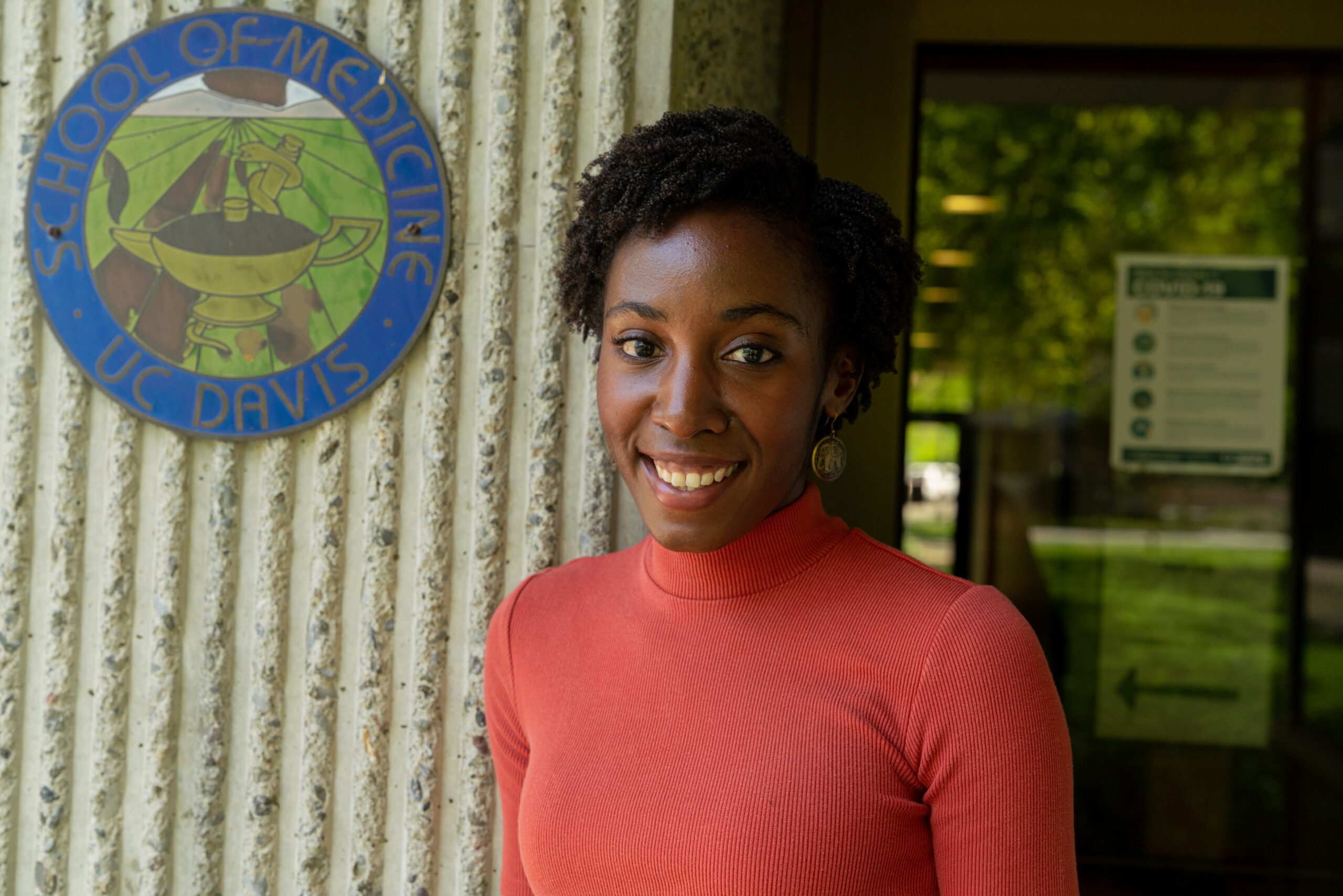
We recently spoke with Kristen George, PhD, MPH, Assistant Professor at the University of California, Davis, and Brain Health Registry collaborator, to learn how life experiences and health factors affect brain aging and dementia risk. Her research highlights an important shift in how we think about Alzheimer’s disease and related dementias: prevention may need to start much earlier than we once believed.
From Heart Health to Brain Health
Dr. George began her work in cardiovascular health, focusing on prevention. She later became interested in how heart health affects the brain.
“Brain changes linked to dementia can start years, even decades, before symptoms,” she explains. “This suggests that prevention should start in midlife or earlier—not just in older age.”
Her work shows that lessons from heart disease prevention can help to better understand, and even lower, dementia risk.
Why Representation in Research Matters
Dr. George studies brain aging in diverse groups. She has worked on studies like KHANDLE, STAR, and LifeAfter90, which include people often left out of research.
These studies help us learn more about risk and protection. For example, STAR focuses on Black adults, who face higher dementia risk compared to non-Black adults. LifeAfter90 studies people age 90 and older—also known as “the oldest old”—to better understand what supports long life and strong brain health.
“Creating diverse study groups is essential,” Dr. George says. Without it, we can miss important differences in risk and disease.
The Role of Social Factors
Health is shaped by more than biology. Dr. George studies how access and quality of education, healthcare, outdoor natural spaces, and economic opportunity affect brain health.
Some communities face higher risks for chronic disease, including dementia, due to long-term inequality. By addressing these root causes, we may prevent disease before it starts.
Small Changes, Big Impact
When it comes to reducing dementia risk, there’s no single solution—but there are actionable steps.
Managing conditions like obesity, high blood pressure, diabetes, and high cholesterol is key. Taking medications as prescribed can improve health.
Small habits also matter. “Committing to something like walking 10 minutes a day or going to bed 10 minutes earlier can build momentum over time,” she says.
Over time, these small steps can support long-term brain health.
Focusing on Women’s Brain Health
Dr. George is also involved in the Greater Sacramento Women’s Brain Health (GROW) Study, which follows women age 45 and older.
“We want to understand why women have twice the risk of dementia as men,” she says.
The study will also look at how menopause and reproductive history affect brain aging—areas that need more research.
Looking Ahead
Dr. George’s work offers a hopeful message: many factors that affect brain health can be changed, and earlier intervention could make a meaningful difference.
By studying heart health, life experiences, and diverse populations, researchers are gaining a clearer picture of brain aging—and how to protect it over time.